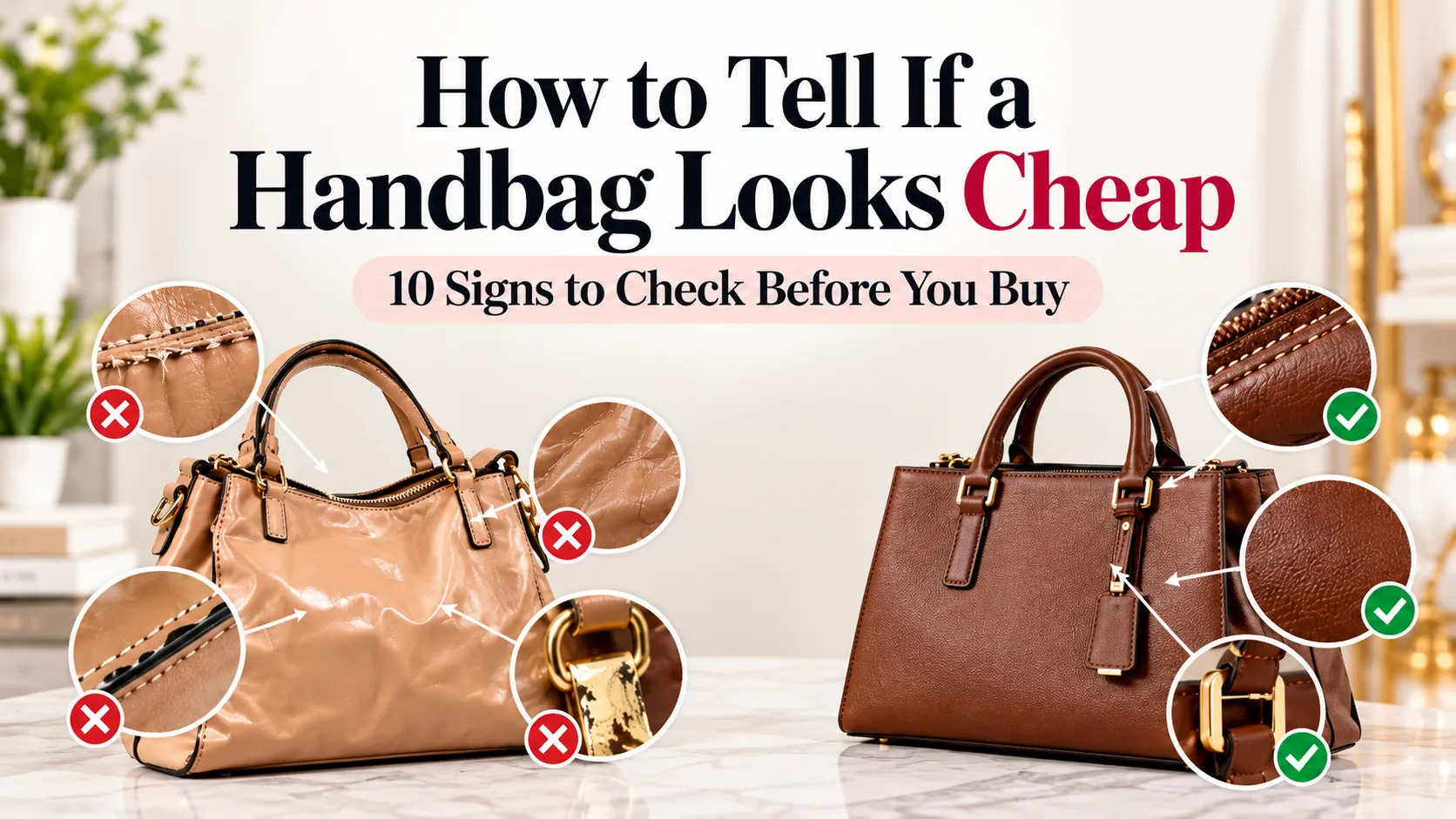
How to Tell If a Handbag Looks Cheap: 10 Signs to Check Before You Buy
A handbag does not have to be expensive to look polished. But when you are shopping online, a few small details can make the difference between a bag that looks well made and one that looks cheaper than its price.
If you are trying to figure out how to tell if a handbag looks cheap, start with the details that are hardest to hide: uneven stitching, rough edges, overly shiny hardware, plastic-looking material, weak structure, and poorly finished straps or closures. Those clues usually tell you more than the logo or price tag.
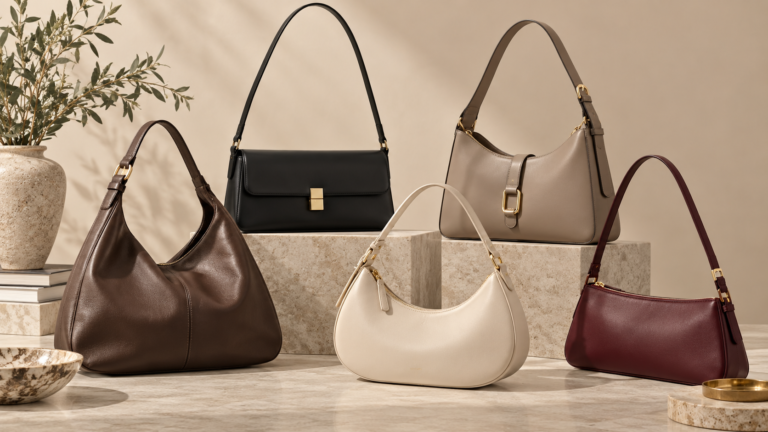
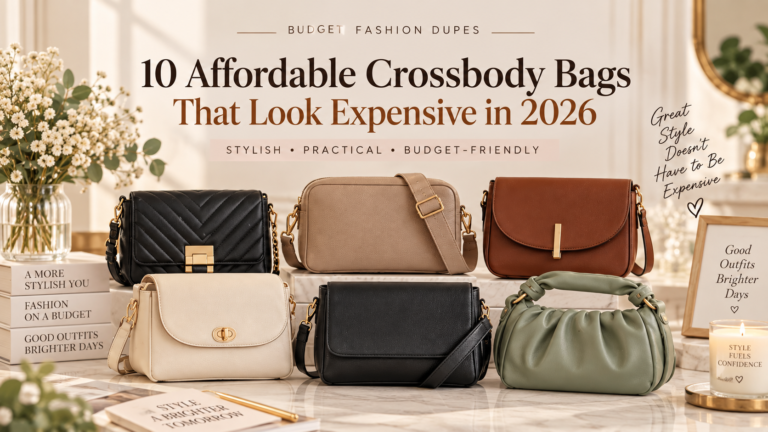
The goal is not to avoid every affordable bag. Many budget-friendly handbags can look put-together when the design is simple and the construction is clean. Our guide to affordable handbags that look expensive has examples across different styles and price points.
In this guide, we will focus on the warning signs to check before you buy, especially when comparing handbags online.
Disclosure: As an Amazon Associate I earn from qualifying purchases. Some links in this guide may be affiliate links, which means we may earn a commission at no extra cost to you.
60-second handbag quality check: Before you buy, scan the stitching, edges, hardware, surface finish, shape, straps, zipper or closure, and lining. If several areas look poorly finished at the same time, compare another bag.
Table of Contents
What Makes a Handbag Look Cheap?
A handbag can look inexpensive for several different reasons, and price is only one of them. In many cases, the biggest problem is that several small details look slightly off at the same time.
Poorly finished edges, uneven stitching, overly shiny hardware, awkward proportions, or a surface that looks too plastic can all draw attention for the wrong reasons. A bag may also look cheaper when the straps twist, the zipper sits crooked, or the body collapses in a way that does not suit the design.
Decoration can make a difference too. Large logos, multiple chains, studs, buckles, and mixed metal finishes can make an affordable bag feel busier than it needs to be. A simpler design usually gives the construction and shape more room to speak for themselves.
The important thing is to judge the whole bag rather than one feature in isolation. Faux leather, for example, does not automatically look cheap, just as genuine leather does not automatically look expensive. The finish, proportions, stitching, hardware, and structure all need to work together.
How to Tell If a Handbag Looks Cheap: 10 Signs to Check
1. Uneven or Loose Stitching
Stitching is one of the easiest places to spot poor finishing.
Look closely at the seams around the handles, zipper, corners, and side panels. The stitches should generally look straight, evenly spaced, and secure. Loose threads, skipped stitches, crooked lines, or sections where the stitching suddenly changes direction can make a handbag look poorly made.
This matters even more on simple bags because there are fewer decorative details to distract from construction quality. On a structured tote or satchel, uneven stitching can make the entire shape look less precise.
Zoom in on close-up product photos and customer images. Pay particular attention to high-stress areas such as handle attachments and strap anchors, since those are also the places where weak stitching may become a durability issue later.
Quick check: If the stitching is one of the first things you notice, and not for a good reason, treat it as a warning sign.
2. Rough, Peeling, or Poorly Finished Edges
The edges of a handbag can reveal a lot about how carefully it was finished.
Check the top opening, handles, strap edges, flap, corners, and any cut leather or faux-leather panels. Clean edges should look smooth and consistent. Thick edge paint, cracking, peeling, uneven coating, exposed layers, or rough trimming can make a bag look cheaper very quickly.
Corners deserve extra attention because they usually show wear first. If the edge coating already looks uneven in product photos, there is a greater chance that the finish will become more noticeable with regular use.
For faux-leather bags, also look for signs that the outer coating is separating from the base material. A neat design can still look good at a low price, but visible peeling or unfinished edges are harder to disguise.
For a more realistic view, compare the polished product shots with images taken in ordinary lighting. Corners and edge paint are often easier to judge when the bag is not carefully positioned for a studio photo.
Quick check: Zoom in on the handles and corners. If the edge finish looks thick, cracked, uneven, or already worn, move cautiously.
3. Hardware That Looks Too Shiny or Lightweight
Hardware can change the whole impression of a handbag.
Look at the zipper pulls, buckles, clasps, rings, chain straps, and logo plates. Very bright plating, an overly yellow gold tone, or several different metal finishes on the same bag can make the design feel busier and less refined.
Weight and proportion matter too. Large metal pieces on a small handbag can look out of balance, while very thin or lightweight-looking hardware may make the bag feel less substantial. The most polished designs usually keep the metal details simple and consistent.
Zoom in on how the hardware is attached. Rings and buckles should sit straight, zipper pulls should look aligned, and clasps should appear proportional to the bag. Then compare a few normal-lighting photos to see whether the finish still looks balanced outside the studio setup.
A brushed gold, soft silver, gunmetal, or one simple polished clasp can often look more understated than a bag covered in chains, oversized logos, and multiple decorative pieces.
Quick check: If the hardware is the first thing you notice because it looks overly bright, mismatched, or oversized, inspect the rest of the bag more carefully.
4. A Surface That Looks Overly Glossy or Plastic
The surface finish is one of the quickest ways to judge whether an affordable handbag looks well finished or artificial.
A very glossy coating can reflect light unevenly and make faux leather look more plastic than leather-like. The same can happen with heavily stamped grain patterns that look too uniform or exaggerated across the entire bag.
That does not mean matte is always better. Smooth finishes, pebbled textures, and even some polished surfaces can look good when the coating feels controlled and the rest of the design is simple. The problem is usually an overly shiny finish combined with visible creasing, stiff-looking folds, or a repetitive texture that draws attention to the material instead of the shape.
Compare the main product photos with customer images taken in normal lighting. Studio lighting can make synthetic materials look smoother and more even than they appear in everyday use.
For a deeper material comparison, see our guide to faux leather vs real leather handbags.
Quick check: If the material looks extremely shiny, stiff, or uniformly plastic in several different photos, inspect the edges, folds, and corners before buying.
5. A Bag That Does Not Hold Its Intended Shape
Shape matters because a handbag should look deliberate, whether it is structured or soft.
A structured tote, satchel, or top-handle bag should generally stand upright with even side panels and a base that does not twist or collapse. If the body buckles, the corners fold inward, or the handles pull the top out of alignment, the bag can start to look poorly constructed.
Soft bags are different. A hobo or crescent style is supposed to relax and drape, but the shape should still feel balanced. There is a difference between an intentional slouch and a bag that looks stretched, saggy, or distorted.
Look for photos of the bag both filled and empty. A heavily stuffed product photo can make a weak structure look better than it really is, while an unstuffed image gives you a clearer idea of how the silhouette behaves in normal use.
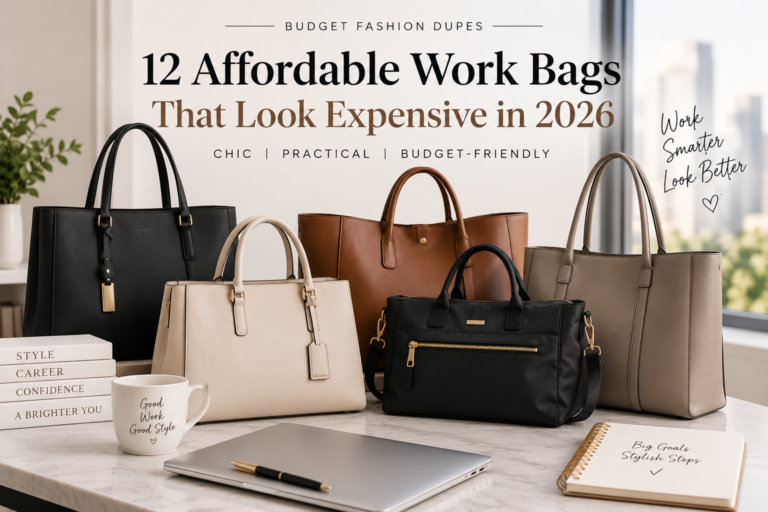
If you prefer more structured options, compare our affordable work bags that look expensive.
Quick check: Ask whether the bag is holding the shape it was designed to have. If the silhouette looks distorted before you even buy it, that is a warning sign.
6. Thin, Twisted, or Poorly Attached Straps
Straps are easy to overlook, but they can make a handbag look cheaper even when the body of the bag is otherwise attractive.
Start with the material and width. A very thin strap on a larger bag can look out of proportion, while a strap that twists, curls, or refuses to lie flat can make the whole design feel less put-together.
Next, check where the strap attaches to the bag. Stitching should look secure, hardware should sit straight, and the connection points should not appear stretched or uneven. These areas carry a lot of stress during everyday use, so poor finishing here can become both a visual and durability problem.
On adjustable straps, look at the buckle and punched holes. Uneven holes, rough edges, or a buckle that looks too large for the strap can make the design feel less considered.
Look for an image where the bag is actually being worn. Styled product shots can position straps carefully, which may hide twisting, curling, or proportions that feel awkward once the strap hangs naturally.
Quick check: If the strap looks flimsy, twisted, badly proportioned, or poorly attached, inspect the bag more closely before buying.
7. Crooked Zippers or Awkward Closures
A zipper or closure should feel like part of the design, not something fighting against it.
Look at whether the zipper line sits straight across the top of the bag. If it waves, puckers, pulls the fabric or leather unevenly, or looks noticeably off-center, the bag can appear poorly finished.
The same applies to magnetic snaps, turn locks, buckles, and flap closures. They should line up cleanly and sit in proportion to the bag. A clasp that looks too large, sits crooked, or pulls one side of the flap lower than the other can make the entire handbag look less polished.
Function matters too. If customer reviews repeatedly mention a zipper that catches, a magnetic closure that does not align, or a flap that is difficult to close, that can be a useful warning that the construction is not as clean as it appears in the main product photos.
Look for close-up images of the bag fully closed and partially open. This makes it easier to see whether the closure sits naturally or puts strain on the surrounding material.
Quick check: If the zipper, flap, or clasp looks misaligned before the bag is even in use, treat that as a quality warning.
8. Cheap-Looking Lining or Weak Interior Finishing
The inside of a handbag matters more than many shoppers realize.
A neat exterior can lose some of its appeal if the lining looks very thin, bunches around the seams, pulls away from the edges, or has loose threads around pockets and zipper sections. Interior finishing does not need to feel luxurious, but it should look tidy and purposeful.
Pay attention to pocket stitching, zipper tape, seam binding, and how the lining sits inside the bag. A lining that twists, sags excessively, or is poorly attached can make the bag feel less well made even if the outside looks attractive.
Interior photos are especially valuable because they tend to be less styled than hero images. Check whether the pockets sit flat, the lining is attached neatly, and the interior construction matches what the listing describes.
This is also where organization matters. A simple interior can still look good if it is cleanly finished. More pockets do not automatically mean better quality.
Quick check: If the interior looks unfinished, loosely attached, or noticeably messy in photos, treat it as a construction warning.
9. Too Many Logos, Chains, Studs, or Decorative Details
Decoration can make a bag interesting, but too many competing details can make an affordable handbag feel visually busy.
Look for combinations such as oversized logos, heavy chain straps, studs, multiple buckles, charms, contrast stitching, and several metal finishes all on the same bag. Any one of these can work on its own, but when several appear together, the design can start to look less refined.
Simpler bags usually age better visually because the eye notices the shape, material, and proportions first. A single polished clasp, woven texture, or subtle logo can add personality without overwhelming the design.
This does not mean every statement bag looks cheap. The key is whether the decorative details feel balanced with the size and shape of the bag.
Try mentally removing the logo or chain from the design. If the bag would still look balanced without those details, that is usually a good sign.
Quick check: If the bag relies on several decorative elements at once to create impact, inspect the underlying shape and construction before deciding.
10. Product Photos That Hide Important Details
Product photos should help you evaluate a handbag, not make you guess.
Be cautious when a listing shows only polished front-facing images but avoids close-ups of the corners, handles, zipper, strap attachments, lining, or base. Those areas often reveal more about construction quality than the main hero photo.
Also watch for heavy styling. A bag may be stuffed to hold its shape, photographed only from flattering angles, or shown under soft studio lighting that hides texture and surface flaws. That does not automatically mean the bag is poor quality, but it gives you less information to judge.
Unstyled buyer images can reveal surface texture, edge wear, and shape more clearly than polished studio shots. Look for the same issue across several images instead of judging the bag from one unusually good or bad photo.
If the listing gives very little visual detail, check whether the seller provides close-ups, dimensions, material information, and multiple angles. The fewer details available, the harder it is to evaluate the bag confidently before buying.
Quick check: If important areas are consistently missing from the photos, treat that lack of visibility as a reason to investigate further.
How to Check a Handbag Online Before Buying
When you cannot inspect a handbag in person, the listing has to do more of the work. The goal is to look beyond the main product photo and gather enough detail to judge the bag’s finish, proportions, and construction.
Zoom In on Corners, Seams, and Handles
Start with the areas that usually show construction quality most clearly. Look closely at the corners, edge paint, handle attachments, zipper line, and stitching.
If those details look uneven in close-up photos, the problem may be more noticeable in real life.
Check Customer Photos in Normal Lighting
Studio images can make surfaces look smoother, colors richer, and hardware more polished.
Customer photos are often more useful for judging whether faux leather looks overly shiny, whether the bag keeps its shape, and how the hardware appears outside professional lighting.
Do not rely on one photo alone. Look for patterns across several buyers.
Compare the Listed Dimensions With What You Carry
A bag can look perfectly proportioned in photos but still be too small or too large for your routine.
Check the width, height, depth, and strap drop against the items you normally carry. If you need a laptop, confirm the actual device fit rather than assuming that a bag described as “large” will work.
Look for Photos of the Bag Empty
A heavily stuffed bag can appear more structured than it really is.
If possible, find photos showing the bag empty or lightly filled. This makes it easier to judge whether a structured bag collapses too much or whether a soft bag drapes the way you expect.
Read Repeated Complaints, Not Just the Star Rating
The average rating gives you a quick summary, but recurring complaints are usually more useful.
Look for repeated mentions of peeling edges, broken straps, weak zippers, odor, fraying stitching, color transfer, or hardware problems. One isolated complaint may not mean much, but the same issue appearing repeatedly deserves more attention.
Verify the Material Wording
Do not assume words such as “leather,” “premium,” or “luxury” always describe the material clearly.
Check whether the listing specifically says genuine leather, PU leather, vegan leather, polyester, nylon, canvas, suede, or another material. If material matters to you, compare that wording with the product specifications and description.
Check Multiple Color Variants Separately
Reviews and photos for one color do not always represent another.
Black, cream, brown, metallic, and textured variants may use different finishes or show wear differently. When possible, focus on customer feedback and photos for the exact color you plan to buy.
If you prefer compact styles, our guide to affordable shoulder bags that look expensive gives you more examples to compare.
Cheap-Looking vs Expensive-Looking Handbags: Quick Comparison
| Warning Sign | Better-Looking Alternative |
|---|---|
| Uneven or loose stitching | Straight, evenly spaced stitching |
| Rough, peeling, or thick edge paint | Smooth, cleanly finished edges |
| Very shiny or mismatched hardware | Consistent, restrained hardware |
| Overly glossy or plastic-looking surface | Subtle, even texture or finish |
| Collapsed or distorted shape | Intentional structure or controlled slouch |
| Thin, twisted, or weak-looking straps | Proportionate straps with secure attachments |
| Crooked zipper or misaligned closure | Straight zipper line and clean closure |
| Loose or messy lining | Neatly attached interior lining |
| Too many logos, chains, studs, and buckles | One or two intentional design details |
| Limited or overly styled product photos | Clear close-ups, multiple angles, and customer images |
A bag does not need to meet every “better-looking” description to be a good choice. Soft handbags, woven totes, and relaxed hobo styles are supposed to look different from structured satchels.
The useful question is whether the details feel consistent with the design. A soft bag can look good when the slouch is balanced, just as a structured bag can look inexpensive if the seams, edges, or hardware are poorly finished.
Use this table as a quick screening tool rather than a strict rulebook. If several warning signs appear together, it is worth comparing another bag before buying.
Can an Affordable Handbag Still Look Expensive?
Yes. Price alone does not determine how polished a handbag looks.
An affordable bag can still look refined when the shape, material finish, hardware, stitching, and proportions work well together. In many cases, a simple design with clean construction will look more expensive than a busier bag with more decoration.
The best budget-friendly options usually avoid obvious weak points. Look for straight seams, tidy edges, balanced hardware, a finish that does not look overly plastic, and a shape that holds up the way it was designed to.
This is why it helps to compare the whole bag rather than focusing only on brand or price. A well-made faux-leather shoulder bag can look more polished than a poorly constructed genuine-leather bag.
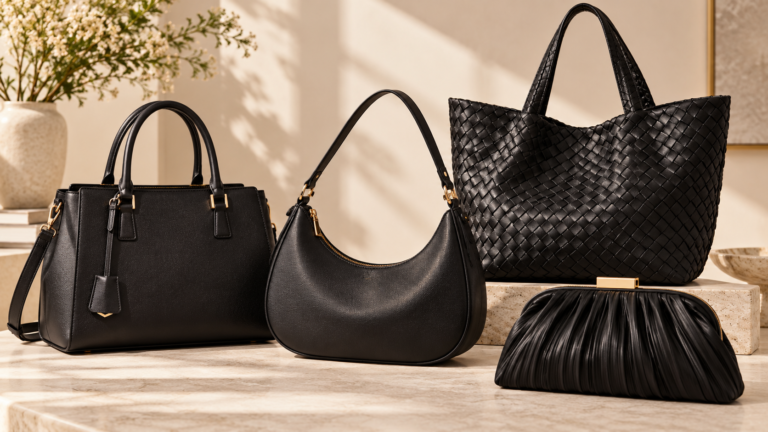
For examples, compare our black handbags that look expensive guide and our broader affordable handbags that look expensive roundup.
The key is not to make a budget bag look like a specific designer bag. It is to choose one with fewer visible quality issues and a design that feels balanced.
Frequently Asked Questions
What is the first thing that makes a handbag look cheap?
Usually, it is not one single feature. The strongest warning signs are often a combination of poor stitching, overly shiny hardware, rough edges, and a shape that looks awkward or distorted.
If you are checking quickly, start with the corners, handles, zipper line, and hardware. Those areas often reveal construction quality fastest.
Does faux leather always look cheap?
No. Faux leather can look polished when the surface finish is subtle, the stitching is neat, the edges are clean, and the bag has balanced proportions. An overly glossy or heavily embossed finish can make some faux-leather bags look more artificial, but the material itself is not automatically a problem.
For a deeper comparison, see our guide to faux leather vs real leather handbags.
Does real leather always look expensive?
No. Real leather can offer natural texture and softness, but it does not compensate for poor construction. Uneven seams, weak hardware, crooked closures, or awkward proportions can make a genuine-leather bag look less refined.
What handbag colors tend to look more polished?
Neutral and deeper shades are usually easier to style in a polished way. Black, chocolate brown, taupe, burgundy, cream, and deep navy are all versatile choices.
Color still matters less than construction. A well-made bag in a brighter shade can look better than a poorly finished neutral bag.
How can I tell if a handbag looks good from online photos?
Look beyond the main product image. Check close-ups of the stitching, corners, zipper, handles, lining, and hardware. Compare brand photos with customer images taken in ordinary lighting, and look for photos of the bag both filled and empty.
Repeated details across several customer photos are more useful than one especially flattering or unflattering image.
Can a cheap bag be made to look better after buying it?
Sometimes. Cleaning the exterior, removing temporary packaging, keeping the bag from being overfilled, adjusting the strap, and styling it with a simpler outfit can improve the overall appearance.
But styling cannot fully hide peeling edges, damaged hardware, poor stitching, or weak construction. For post-purchase improvements, see how to make a cheap handbag look expensive.
Final Thoughts
Learning how to tell if a handbag looks cheap is less about judging the price tag and more about noticing the details that affect how finished the bag looks.
Before buying, check the stitching, edges, hardware, surface finish, shape, straps, closure, and lining. Then compare the listing with real-world photos and look for recurring quality concerns rather than relying on the seller’s studio images alone.
One small flaw does not automatically make a handbag a bad choice. What matters more is whether several warning signs appear together. Clean construction, balanced proportions, restrained hardware, and a finish that suits the design can make an affordable handbag look much more polished.
If you already own a bag and want to improve how it looks, see our guide on how to make a cheap handbag look expensive. If you are still shopping, browse our affordable handbags that look expensive guides for more options.